15 People You Oughta Know in the Burleigh heads garage door services Industry
Complete Guide to Garage Door Electrical Repair in 2026
Is your garage door refusing to open or close properly? Often, the root cause lies within the electrical components. This comprehensive guide will walk you through understanding, diagnosing, and repairing your garage door's electrical system effectively. Whether you're a homeowner aiming for DIY solutions or considering professional help, this article provides detailed insights and actionable steps to restore your garage door’s functionality safely.Understanding Garage Door Electrical Components
A garage door’s smooth operation depends on a complex network of electrical components working seamlessly together. Key parts include the garage motor, circuit board, wiring harness, power supply, and limit switch. The garage motor powers the movement, while the circuit board controls signals from remote controls, wall consoles, and wireless keypads.
The wiring harness connects all components to ensure proper communication and power flow. Safety features are supported by sensors such as photo eyes and safety edges which prevent accidents by detecting obstacles. Other vital elements include the opener button, battery backup units for power outages, transformers, fuses, capacitors that regulate electrical current, solenoids, motor brushes inside the motor housing, relay switches, and LED indicators that provide diagnostic information. Understanding these components and their function can demystify the repair process and enhance troubleshooting accuracy.
Common Garage Door Electrical Problems and How to Diagnose Them
Garage door electrical failures can manifest in various ways. Common issues include malfunctioning safety sensors causing safety reverse failures, blown fuses, wiring faults, and fault codes displayed on control units. Other prevalent problems are motor failure, keypad entry issues, relay switch malfunctions, and battery failures in remotes or backup systems.
Diagnosing these faults often involves checking sensor connections for proper alignment, inspecting the fuse and transformer for damage, and verifying wiring continuity. In some cases, the door balance and lock mechanisms can interfere with electrical operations. Identifying these issues early helps prevent more costly repairs and ensures safe use.
Troubleshooting Safety Sensors and Photo Eyes
Safety sensors, also known as photo eyes, are critical for preventing door closure when obstacles are detected. Alignment problems are a frequent cause of sensor failure. To troubleshoot, clean the photo eye lenses and inspect sensor wiring for any cuts or loose connections. Ensuring the sensors face each other directly is vital to restore correct functioning.
Other common faults include safety edge malfunctions and wiring issues that disrupt the safety reverse mechanism. Proper sensor alignment and regular maintenance reduce the risk of safety failures significantly.
Diagnosing Opener and Remote Control Issues
If the garage door opener button fails or the remote control stops working intermittently, common causes include dead batteries in remotes, faulty wireless receivers, or issues with the keypad entry system. Testing the opener button involves checking the wall console and the circuit board for signal reception.
Remote controls can be reprogrammed after battery replacement. Wireless Burleigh heads garage door services receiver problems often require professional tools to diagnose and replace damaged receiver boards. Keypad entry malfunctions may arise from worn buttons or internal circuit errors, which can sometimes be fixed by resetting the unit or replacing batteries.
Step-by-Step Garage Door Electrical Repair Guide
Performing garage door electrical repairs requires systematic troubleshooting and attention to safety. Key steps include disconnecting the power supply, using manual release to disengage the door from the opener, and inspecting mechanical parts such as gear assemblies, chain drives, and belt drives.
Electrical repairs often involve limit switch adjustment to calibrate the door’s fully open and closed positions. Repairing a damaged wiring harness or replacing motor brushes may restore motor operation. Capacitor testing and replacement help ensure the motor starts efficiently, while fuse replacement addresses power interruptions. Transformer testing confirms consistent voltage supply.
Regularly inspecting tension pulleys, door cables, mounting brackets, rollers, and tracks ensures the mechanical system supports electrical functions correctly. Combining electrical repairs with mechanical maintenance enhances overall reliability.
Safety Precautions When Repairing Garage Door Electrical Systems
- Always disconnect the power supply before beginning any electrical repair to avoid electric shock.
- Use surge protection devices to safeguard sensitive components during repairs.
- Handle fuses carefully and replace them with exact specifications to prevent further damage.
- Wear appropriate safety gear including insulated gloves and safety glasses.
- Employ the right tools designed for electrical work to ensure precision and safety.
When to Call a Professional Garage Door Electrical Repair Service
While many minor electrical issues can be handled by knowledgeable DIY enthusiasts, certain circumstances demand professional intervention. If you encounter complex electrical faults involving circuit boards, relays, or persistent motor failures, it’s safer to consult an authorised technician.
Professional services offer warranty-backed repairs and emergency support. They can assist with insurance claims related to electrical damage and ensure the repair complies with Australian electrical standards. Hiring certified experts reduces the risk of injury and prolongs the lifespan of your garage door system.
Preventative Maintenance Tips for Garage Door Electrical Components
To minimise the chances of electrical failures and extend component life, regular maintenance is essential. Perform routine inspections of safety sensors and clean photo eyes to avoid dirt accumulation. Replace batteries in remotes and keypads annually or as needed.
Check wiring harnesses for signs of wear and corrosion, and lubricate moving parts such as tracks and rollers to reduce strain on the motor. Regularly test limit switches and safety reverse functions to confirm accurate operation. Periodically assess the control unit and LED indicators for error signals.
Incorporating these preventative steps into your maintenance schedule ensures reliable and safe garage door performance year-round.
Frequently Asked Questions about Garage Door Electrical Repair
What are the signs my garage door opener needs electrical repair?
Typical signs include unresponsive opener buttons, intermittent remote control operation, unusual humming noises from the motor without door movement, frequent fuse blowing, and error codes flashing on the control unit.
How do I reset my garage door opener after a power outage?
Unplug the opener from the power source for about 30 seconds, then plug it back in. You may need to reprogram remote controls and keypads according to your model's manual.
Can I safely repair garage door electrical components myself?
Minor repairs like battery replacement and sensor cleaning are generally safe. However, for complex electrical work involving wiring or circuit boards, hiring a licensed professional is recommended to avoid safety hazards.
Why does my garage door remote stop working intermittently?
This may be due to weak batteries, interference from other wireless devices, or a faulty wireless receiver. Replacing batteries or resetting the system often resolves the issue.
How often should I replace the batteries in my garage door keypad?
Batteries should be checked every six months and replaced at least once a year to maintain consistent keypad functionality.
What causes my garage door sensors to malfunction?
Common causes include misalignment, dirt or debris on the photo eyes, damaged wiring, or electrical faults in the sensor circuits.
Why is my garage door opener making a humming noise but not opening?
This usually indicates a motor issue such as worn motor brushes, a faulty capacitor, or stuck gear assembly. Motor housing and internal parts might need inspection or replacement.
How much does a typical garage door electrical repair cost?
Costs vary depending on the issue, ranging from $100 for simple fuse or battery replacements up to $600 or more for motor or circuit board repairs. Obtaining quotes from professional services ensures transparency.
What maintenance can prevent electrical failures in garage doors?
Regular cleaning of sensors, battery replacement, wiring inspections, lubrication of mechanical parts, and testing limit switches help prevent electrical and mechanical breakdowns.
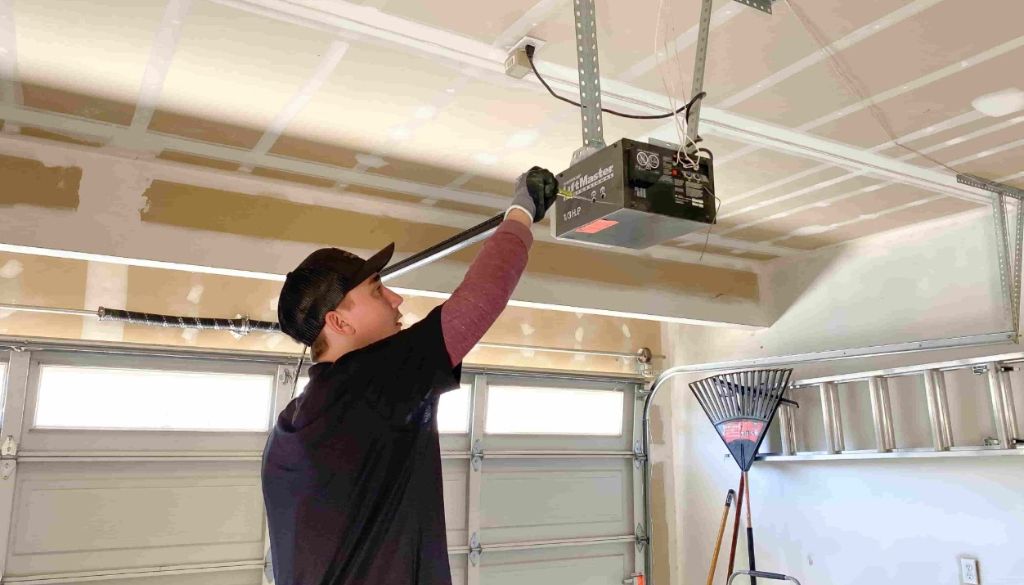
How long should a garage door motor last before needing repair or replacement?
With proper maintenance, garage door motors typically last 10-15 years. Signs of diminished performance or frequent failures indicate the need for repair or replacement.
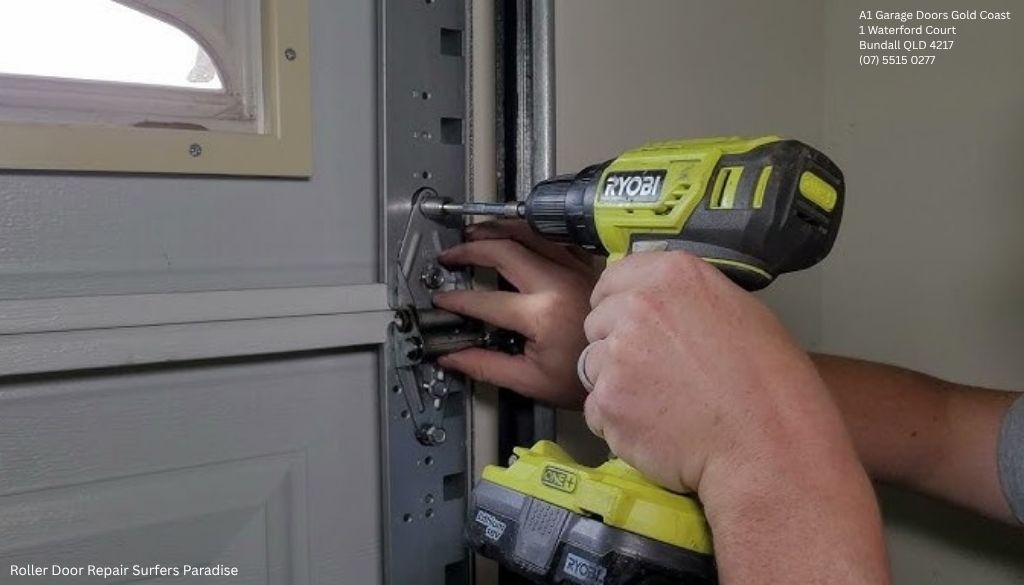
Garage door electrical repair is a vital skill for homeowners looking to maintain safety and convenience. By understanding your garage door’s electrical components, recognising common problems, and following step-by-step repair guidelines, many issues can be resolved efficiently. Always prioritise safety precautions and know when to call professional technicians for complex faults.
Implementing preventative maintenance ensures your garage door continues to operate smoothly and extends its service life. For expert assistance, trusted professionals are available to handle emergency repairs and provide warranty-backed services. Don’t wait for a minor fault to become a major inconvenience — act promptly and keep your garage door functioning reliably.